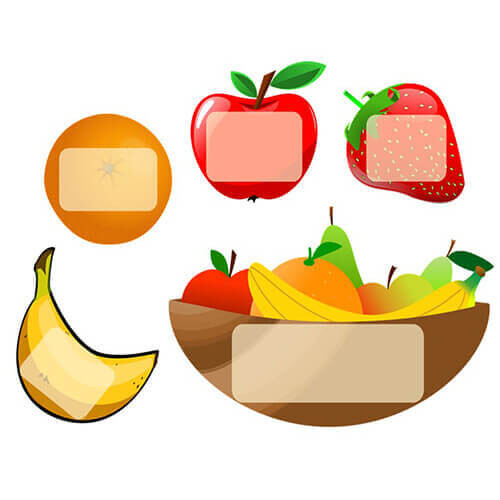
The Fruit
Strategy Details
- Strategy Name: Fruit
- Number of Cards: 5 cards, with magnetic backing
- Size: 4 cards A4 + 1 card A3
- Type of Strategy: An educational strategy in the form of laminated whiteboard cards.
Components:
- Fruit Cards and Fruit Basket: The strategy includes a card representing a fruit basket and 4 cards representing different types of fruit (apple, banana, strawberry, orange). The fruits are designed to fit into the fruit basket, allowing students to "fill" the basket with fruits.
Educational Purpose:
- Teaching Classification and Matching: The strategy aims to teach students how to classify fruits by type or color and place them in the appropriate basket.
- Developing Fine Motor Skills: Interaction between the student and the cards encourages the improvement of hand-eye coordination through the process of filling the basket with fruits.
- Enhancing Visual Understanding: The strategy helps enhance students' visual understanding by recognizing different colors and shapes of fruits and how to assemble them.
Method of Use:
Writing Questions on the Cards: Teachers can write questions on the fruit cards, and students must answer them correctly to place the fruit in the basket.
Matching Fruits: Students are asked to select the appropriate fruit and place it in the basket based on type or color, helping them learn how to make decisions based on classification.
Part Assembly Activities: Teachers can guide students in assembling the different fruits together to create a full basket, enhancing their organizational thinking skills.
Interactive Games: Students can be divided into groups where they compete to fill the basket with fruits more quickly, encouraging teamwork and social interaction.
Benefits:
- Motivating Learners: The strategy provides an enjoyable learning experience using visually appealing elements, encouraging active student participation.
- Enhancing Visual and Sensory Understanding: Interaction with the fruits and colors helps enhance students' visual and sensory understanding.
- Developing Fine Motor Skills: The interactive activity helps develop fine motor skills and hand-eye coordination.
Additional Notes:
- Adapting to Different Ages: Activities can be adjusted to suit different age groups and learning levels.
- Integrating with Other Subjects: This strategy can be integrated with other subjects, such as science (teaching nutrition and health) and math (counting and classifying fruits).
Conclusion:
The "Fruit" educational strategy is an effective tool for teaching students classification, matching, and sensory interaction, making the learning process enjoyable and interactive.
Price
2.500 KWD
1