 All
All
New
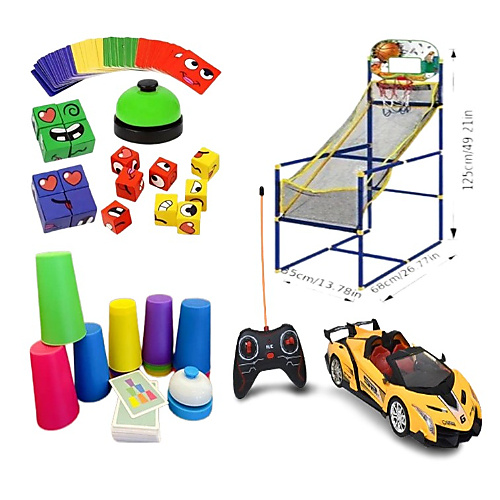
“Remote control car – 1”
8.500 KWDNew
“Remote control car – 2”
8.500 KWDNew
“Fish bone game for shape matching, quick thinking, and memory improvement”
2.000 KWDNew
“Colorful turtle game for flexibility, speed, and memory”
2.000 KWDNew
“Memory matching card game”
2.000 KWDNew
“Shape matching game – Level 1 for quick thinking”
2.000 KWDNew
“Shape matching game – Level 2 for quick thinking”
2.000 KWDNew
“Snakes and Ladders – 1”
1.500 KWDNew
“Snakes and Ladders – 2”
1.500 KWDNew
“Ludo game – 1”
1.500 KWDNew
“ Ludo game –2”
1.500 KWDNew
“Tic-Tac-Toe game”
1.500 KWDNew
“Minnie Mouse Tic-Tac-Toe game”
1.500 KWDNew
“SpongeBob Tic-Tac-Toe game”
1.500 KWDNew
“Maze game”
2.000 KWDNew
“Find the objects game – Level 1 for quick thinking and boosting intelligence”
2.000 KWDNew
“Find the Objects Game – Level 2 for Quick Thinking and Intelligence Enhancement”
2.000 KWD“Butterfly – small size”
7.500 KWD“Large RC car (remote-controlled)”
15.000 KWDBig dice
1.900 KWDDice to add cards one bead
2.500 KWDBasketball game
12.500 KWDNew
“Basketball game”
3.500 KWDNew
“Target shooting gun”
0.500 KWDNew
“Toy pistol – includes bullets”
1.500 KWD“Colored racket – sold individually – color will be chosen at random”
0.350 KWDNew
“Paddle and ball game”
0.500 KWDNew
“Colored net – sold individually – color will be chosen at random”
2.000 KWDNew
“Medium net”
2.250 KWDScribble and win
1.000 KWDScribble and win
1.000 KWDNew
“Dinosaur arm”
1.750 KWDNew
“Grabber arm”
2.500 KWDLittle eggs
Description:Design: A set of 8 small eggs in bright and varied colors (yellow, red, blue, green, pink, and purple). Materials:The eggs are made of lightweight and durable plastic. They can be easily opened and closed to place contents or educational activities inside.Usage:An interactive educational tool used to present concepts and activities in an engaging way by using small eggs as a learning and play tool.Objectives:Enhance interactive learning by presenting activities inside the eggs. Improve children’s fine motor skills while handling the eggs. Deliver educational activities in innovative and attractive ways.How It Works:Distribute the eggs to students or place them in different locations as part of an activity. Each egg can contain a question, activity, or reward to encourage interaction. Students open the eggs to discover the contents and participate in activities. Activities can be customized based on the students’ level or the required topic.Applications:Teaching Concepts:Place letters, numbers, or words inside the eggs to teach reading or counting. Classroom Activities:Design games and competitions based on discovering the egg's contents. Fostering Creativity:Encourage students to design activities to place inside the eggs.Target Audience:Children in kindergarten and primary school.Strategy Benefits:Enhances interaction and active participation among students. Improves children’s motor and visual skills. Provides a fun and innovative educational experience. Simplifies the presentation of educational concepts in an exciting and enjoyable way.
2.000 KWDA large egg with small eggs inside
Description:Design: A large colored egg containing 5 smaller eggs in bright colors. Materials:Both the large and small eggs are made of lightweight, durable plastic. The eggs can be easily opened and closed to include contents or activities inside the small eggs.Usage:An interactive educational tool designed to present educational concepts in an engaging way using the large and small eggs as activity tools.Objectives:Enhance interactive learning through fun activities. Improve children's sensory and fine motor skills while handling the eggs. Use the eggs as a tool to organize activities or present challenges in an attractive manner.How It Works:Place the small eggs inside the large egg. The small eggs contain tasks or educational questions, either written or with small objects inside. Students take turns opening the small eggs to discover activities or answer questions. Educational activities can be customized based on the required level or topic.Applications:Teaching Concepts:Use the eggs to teach letters, numbers, or words. Classroom Activities:Design competitions and games based on discovering the content inside the eggs. Fostering Creativity:Encourage students to create tasks or questions to place inside the small eggs.Target Audience:Children in kindergarten and primary school.Strategy Benefits:Provides an innovative and fun educational experience. Enhances interaction and participation among students. Improves sensory and fine motor skills. Offers an engaging and visual teaching method that facilitates understanding and comprehension.
2.500 KWDBig Eggs
Details:Number of elements: 3 large eggs in vibrant colors (green, yellow, pink). Egg description:The eggs consist of two halves that can be opened to hide educational cards or tasks inside. The bright-colored design adds excitement for students during educational activities.Materials:The eggs are made of durable plastic for easy opening and closing.Description:Design: Large-sized eggs made of two halves that can easily open and close, containing questions, instructions, or educational cards inside. The shiny, colorful design of the eggs grabs students' attention and adds fun to the learning process.Usage:This strategy is used to engage students by having them open the large eggs and discover the questions or tasks inside.Objective:Increase student-teacher interaction using a visually appealing and sensory learning tool. Improve reading and comprehension skills through the discovery of hidden tasks and questions. Foster problem-solving skills and encourage creative thinking.How it works:The teacher places educational cards or questions inside the large eggs. The eggs are distributed to the students or placed on a table for random selection. The student opens the egg and discovers the task or question inside. The student completes the task and shares their response with classmates.Applications:Teaching letters and words:Place cards with letters or words inside the eggs for students to read and arrange. Teaching math operations:Insert math problems for students to solve after opening the egg. Creative writing activities:Place story beginnings inside the eggs and ask students to complete them creatively.Target audience: Children in kindergarten and elementary school levels. Benefits of the strategy:Provides a fun and engaging learning experience using large, colorful eggs. Enhances exploration skills and curiosity through the discovery of hidden content. Captures students' attention and increases their enthusiasm to participate in educational activities. Supports interactive learning and fosters teamwork and positive competition among students.
2.000 KWDNew
“Egg and spoon race game”
2.500 KWD“Shooting game”
2.500 KWDNew
“Kids’ bowling set”
2.000 KWDNew
“Colored cups”
2.000 KWDNew
“Small colored cups – price per piece – color selected at random”
2.000 KWDNew
"Pointer – for making a choice"
2.500 KWDNew
Recorder for recording questions and information
2.000 KWDCups, bells and cards game
3.750 KWDCollection and matching game
3.750 KWDNew
Jump rings - sensory movement training
6.250 KWDNew
4 physical activity jumping bags in different colours
5.500 KWDNew
Climbing man toy
0.500 KWDNew
“Spider-Man web shooter toy”
2.500 KWDNew
Bricks-shaped blocks
2.000 KWDNew
“Foam modeling clay”
1.000 KWDNew
"Plastic Tongs"
1.000 KWD“Set of 6 colored tubs”
5.000 KWDNew
"Wearable Vest – Price per Piece – Color Selected Randomly"
3.500 KWDNew
Microphone
5.500 KWDNew
Sticky ball
0.500 KWDNew
“Football goal set with ball”
4.750 KWDNew
"Colored glass – used for color mixing"
1.350 KWD"Children’s Toys"
0.750 KWDMagic snow
Description:Appearance: A packet containing a magical, interactive substance (instant snow) that transforms into snow-like material upon adding water. Materials:The main ingredient is a special powder that reacts with water to create a snow-like substance. Safe for children and reusable. Usage: An interactive educational tool designed to enhance sensory learning and scientific experimentation in a fun and engaging way.Objective:Provide an interactive educational experience that combines fun and learning. Enhance children’s exploration and experimentation skills. Develop sensory perception and scientific concepts related to basic chemical reactions.How It Works:Empty the packet's contents into a bowl or clean surface. Gradually add water to the powder and observe its reaction as it turns into instant snow. Children can touch, shape, or use the material in educational activities like measuring or counting. Use the activity to explain scientific concepts such as physical changes and water absorption.Applications:Science:Demonstrate simple chemical reactions and material transformation. Sensory Learning:Enhance sensory awareness through touching and experiencing artificial snow. Recreational Activities:Create games and activities involving shaping or coloring the snow.Target Audience:Children in kindergarten and elementary school.Strategy Benefits:Provides a fun and exciting educational experience. Encourages creative thinking and exploration. Develops sensory perception and interaction with different materials. Supports active learning through hands-on experience and interaction.
0.500 KWDWood puzzle for the English language
2.000 KWDQuestion capsule
3.500 KWDMicrophone
3.000 KWDRotating arrow
1.500 KWDsearchlight
0.250 KWDFlat spotlight
0.250 KWDEye-shaped finger rings
0.250 KWDNew
Magic Glowing Pen
0.500 KWD"Writing Board with Marker"
0.500 KWD“Magic bag – color will be chosen at random”
2.500 KWDNew
“Ice cream figurine – price per piece – color selected at random”
0.500 KWDNew
“Duck toy – price per piece – color selected at random”
0.500 KWD
Powered By

MNASATI